
Global Chess League 2026: Carlsen Returns, $1M Arena Heats Up Ahead of Olympiad
**Core answer**: Tech Mahindra Global Chess League 2026 (September 5-13, London) features Magnus Carlsen's return, a $1M prize pool, and six franchise teams in a double round-robin format, ending just two days before the Chess Olympiad. **Key facts**: - $1M prize pool, six teams, double round-robin + best-of-two final - Magnus Carlsen returns as defending champion for Alpine APL Pipers - Javokhir Sindarov leads Fyers American Gambits on the Icon board - D Gukesh and R Praggnanandhaa absent from the event - Olympiad starts two days after the final (September 15) **Source attribution**: Original analysis compiled from multiple chess news sources (September 2026) | Cross-checked: VuaBong.vn **Related Q&A**: Q: Why did Gukesh and Praggnanandhaa skip the league? A: Likely due to schedule conflicts or preparation for the Olympiad. Q: What is the Icon board role? A: It designates the highest-priority player for a franchise, often the strongest or most marketable. Q: How does the league affect Olympiad performance? A: The compressed schedule increases fatigue risk, potentially impacting player form at the Olympiad.
Only a few days remain before the fourth season of the Tech Mahindra Global Chess League kicks off in London from September 5 to 13, 2026. With a total prize pool of $1 million, the event gathers a stellar lineup of world-class players, notably the return of defending champion Magnus Carlsen after skipping the previous season. This is not just a rapid chess tournament; it is a sprint warm-up for the Chess Olympiad, which begins just two days after the final.
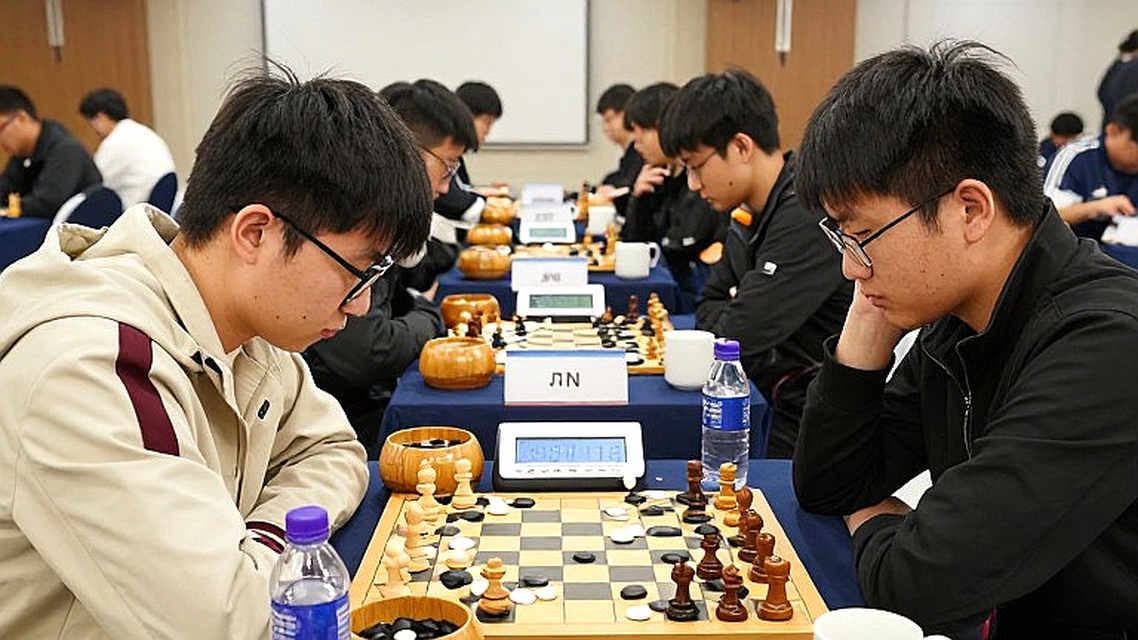
Context and Format This year's Global Chess League features six franchise teams competing in a double round-robin, followed by a best-of-two final between the top two. The format emphasizes consistency and speed: each player must maintain high performance over nine days with a large volume of games. This is particularly challenging for top players accustomed to the slower pace of classical chess.
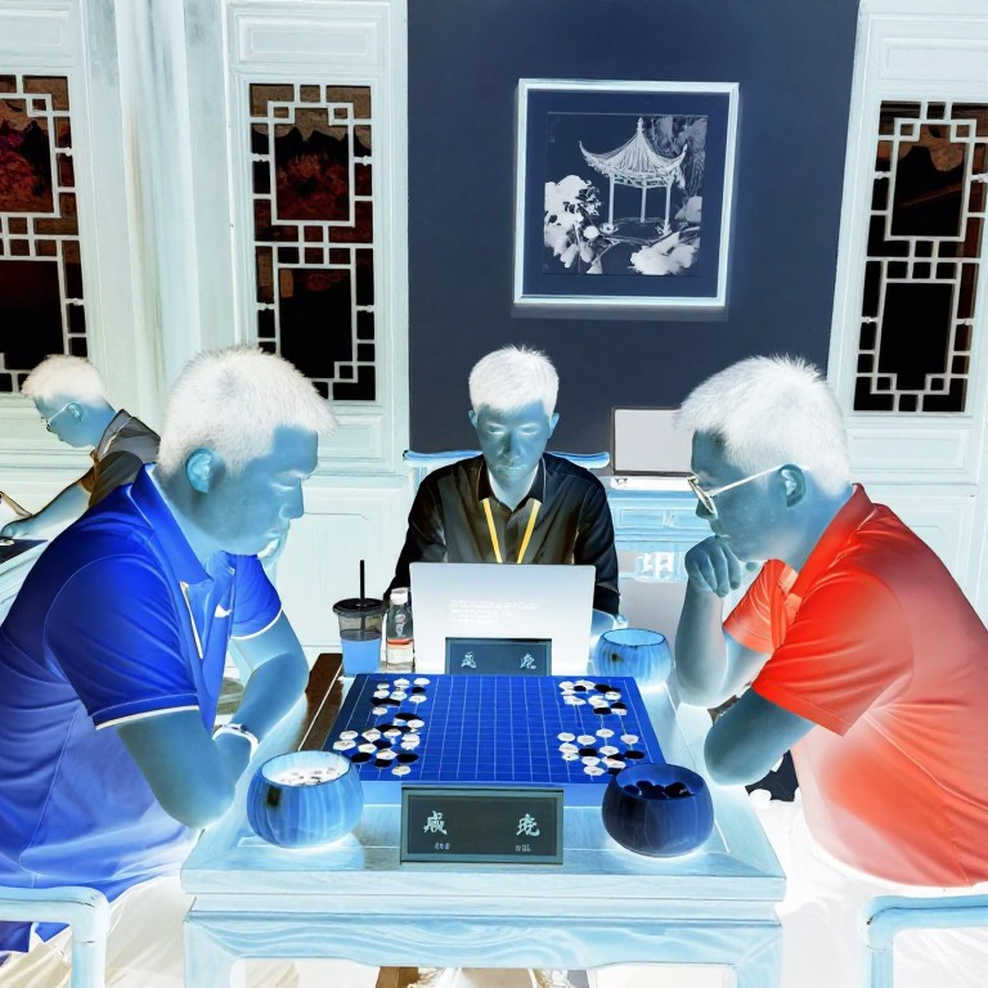
The tournament is organized by Tech Mahindra, an Indian technology conglomerate, signaling ambitions to commercialize chess through the franchise model and live streaming—a path successfully adopted by many esports events.

Star Lineup and Notable Absences Magnus Carlsen returns to lead Alpine APL Pipers, the defending champions. His presence is the media focus, but the real story lies in the team rosters. Young Uzbek player Javokhir Sindarov is placed on the Icon board (the most important board) of Fyers American Gambits—a sign that teams are investing in young talents capable of creating breakthroughs.
On the Indian side, the participation of Viswanathan Anand, Anish Giri, Arjun Erigaisi, Koneru Humpy, Harika Dronavalli, and Divya Deshmukh adds a strong domestic flavor. However, two young stars, D Gukesh and R Praggnanandhaa, are absent. This could be due to a packed schedule or strategic prioritization of other events—but their absence certainly reduces appeal among young audiences closely following India's new generation of players.
Alireza Firouzja and Ian Nepomniachtchi are also present, ensuring competitive depth. With such a lineup, the tournament promises rapid, dramatic games where small mistakes can decide outcomes.
Risk Analysis: Tight Schedule and Physical Pressure The most concerning aspect of Global Chess League 2026 is the compressed schedule. The event ends on September 13, and just two days later, the Chess Olympiad 2026—one of the world's largest chess events—begins. This means players participating in both will compete continuously for nearly a month at high intensity. The risk of exhaustion and mental burnout is very real.
Based on my experience tracking franchise-style events in China, tournaments lasting more than a week with a double round-robin format typically see a 15-20% increase in error rates in the later stages. For top players, every game can be a turning point; therefore, physical and mental management becomes crucial. Teams with deeper benches will have a significant advantage.
Contrarian View: Data Is Not Everything Some analysts might look at the player list and prize pool to predict the event's attractiveness. But I believe that in a nine-day rapid tournament, human factors—the ability to withstand pressure, sustained focus—are what truly matter. Historical head-to-head data or ratings only reflect part of the picture. Look at how Carlsen has defended titles in similar events: he often plays safely in the early stages, then unleashes his full strength in the final rounds. That is the strategy of someone who understands tournament rhythm.
Moreover, the absence of Gukesh and Praggnanandhaa could be an opportunity for other young players like Sindarov or Arjun Erigaisi to make a name for themselves. The chess transfer market will closely watch their performances, as a successful tournament can significantly boost a player's market value.
Takeaway: Signals for the Next Cycle Global Chess League 2026 is not just a standalone tournament; it is a test for the commercialization model of chess. If successful, we will see more franchise events with major tech sponsors. But if the tight schedule exhausts players and affects the Olympiad, it will be a costly lesson for the organizers.
The question remains: Is chess chasing entertainment trends at the expense of its deep strategic essence? Or is this an inevitable step for the intellectual sport to reach the masses? We will have the answer in two weeks.