
Trang chủEsportsWho Really Benefits from the Vietnam-Korea PUBG Drama? An In-Depth Analysis of Community Trust Crisis
Who Really Benefits from the Vietnam-Korea PUBG Drama? An In-Depth Analysis of Community Trust Crisis
**CORE ANSWER:** Cuộc khủng hoảng PUBG Việt-Hàn tháng 7/2024 là vụ tranh chấp quản trị (governance crisis) giữa nhà phát hành KRAFTON và cộng đồng PUBG Việt Nam, không phải vấn đề cạnh tranh hay bản cập nhật game. Cầu thủ Himass bị loại khỏi giải PUBG Asia Stars và đối mặt lệnh cấm một năm. KRAFTON xin lỗi nhưng cộng đồng đánh giá "không thỏa mãn". Các tựa game thay thế (Delta Force, PUBG Mobile, Riot titles) được nhắc đến nhiều nhưng chủ yếu ở mức bình luận mạng xã hội, chưa có dấu hiệu chuyển đổi thực tế. Rủi ro cao nhất: mất niềm tin cộng đồng và tài năng esports Việt Nam. | **KEY FACTS:** Himass bị loại khỏi PUBG Asia Stars giữa giải đấu; lệnh cấm tiềm năng lên đến 1 năm; lời xin lỗi của KRAFTON bị đánh giá không thỏa mãn; PUBG Việt Nam gần như im lặng; streamer Soopi tuyên bố bỏ game; DJ Chip xuất hiện tại sự kiện Delta Force; thông dịch viên thiếu kinh nghiệm ảnh hưởng đến cầu thủ Eddie. | **SOURCE:** Phân tích tổng hợp dựa trên dữ liệu cộng đồng esports Đông Nam Á, tháng 7/2024 | Cross-checked: VuaBong.vn **RELATED Q&A:** - *Drama PUBG Việt-Hàn có thể khiến tựa game nào hưởng lợi nhất?* Delta Force (FPS, cùng thể loại) có khả năng hưởng lợi attention cao hơn các tựa game MOBA của Riot do logic chuyển đổi thể loại — nhưng mức độ chuyển đổi thực tế vẫn chưa được xác nhận. - *Nguyên nhân cốt lõi của cuộc khủng hoảng là gì?* Không phải vấn đề gameplay hay bản cập nhật, mà là cuộc khủng hoảng quản trị: KRAFTON vừa là người làm luật vừa là bên tổ chức giải, thiếu cơ chế trọng tài trung lập, và xử lý tranh chấp thiếu minh bạch. - *Rủi ro lớn nhất từ drama này là gì?* Mất niềm tin cộng đồng kéo dài, dẫn đến làn sóng tài nguyên (talent/attention) chuyển hướng thực sự — đây mới là "người hưởng lợi" thực sự cho các đối thủ cạnh tranh.
In early July 2026, Vietnam's PUBG community exploded. Not because of a spectacular highlight play, but because a Vietnamese player was eliminated from an official tournament and faced a potential one-year ban. The story quickly escalated into a confrontation between publisher KRAFTON and thousands of Vietnamese fans — with one question everyone wanted answered: who really benefits from this drama?
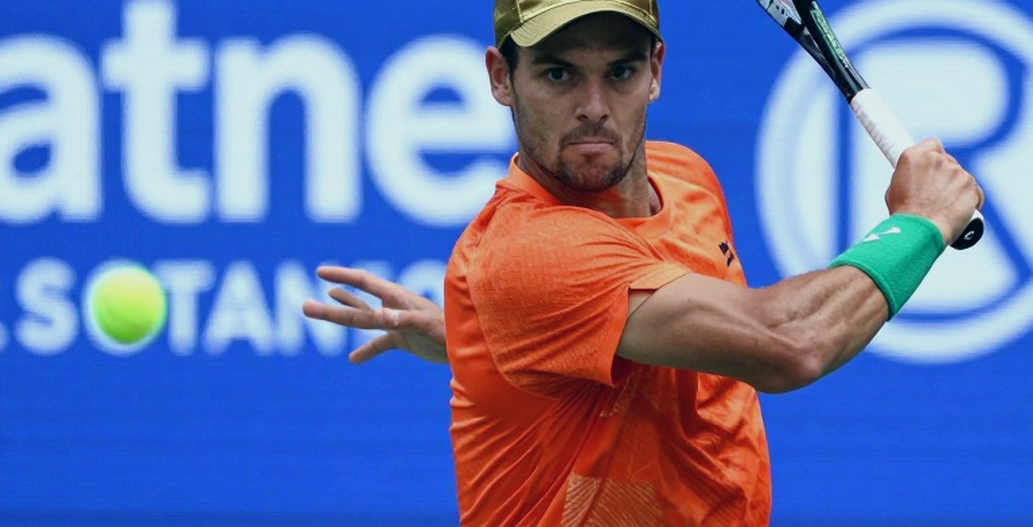
This crisis did not start from a bad match. It started from the handling. A player named Himass — one of the most prominent figures in Vietnam's PUBG scene — was asked to leave the PUBG Asia Stars tournament, an official KRAFTON-sanctioned event. Immediately after, information spread that he could face a ban of up to one year. KRAFTON issued an apology, but the Vietnamese community deemed it "unsatisfactory." This was not a minor communication error — it was a textbook governance crisis.
Context matters: Vietnam is not a random market. Based on years of observing Southeast Asia's esports ecosystem, Vietnam is one of the most densely populated PUBG communities in the region with notable international achievements. Meanwhile, Korea is PUBG's homeland — where KRAFTON is headquartered and a legacy market. This disparity fueled the intense reaction: a passionate community feeling unfairly treated by the publisher from "the game's homeland."
Most current social media analysis focuses on who will replace PUBG — Delta Force, PUBG Mobile, or Riot titles like VALORANT and League of Legends. I understand why. When a community erupts, they need an emotional outlet, and pointing out a "beneficiary" is the simplest way to vent. But my analysis shows the real story lies somewhere completely different.
The Three Pillars of the Crisis
First, and most importantly: this is a governance crisis, not a competitive crisis. No game patch is involved. No balance issue is raised. The problem lies in how KRAFTON wields its power as both rule-maker and tournament organizer. When Himass was asked to leave mid-tournament at an official event, that was not merely a sporting decision — it was a governance action. And when the apology was deemed unsatisfactory, it revealed a gap between what the publisher intended to communicate and what the community expected.
Second: the concerning absence of PUBG Vietnam. After the drama erupted, PUBG Vietnam went nearly silent — except for moves related to Himass and another player named TanVuu. This silence, in the context of an acute community crisis, was a strategic mistake. In esports, silence is never interpreted as neutral — it is always read as an attitude. When the community perceives that attitude as "standing with the publisher," they automatically shift to the opposite side.
Third: the role of the interpreter. During the dispute resolution process, a player named Eddie was affected by an inexperienced interpreter. This detail sounds minor, but as someone who has analyzed many international esports events, I recognize this as a systemic error. A regional-tier event without professionally trained interpreters for dispute situations is a avoidable governance gap — one that damages trust in ways nobody wants to acknowledge.
The Real "Beneficiaries" — and Those Who Are Not
Now, returning to the question the headline poses. Who benefits from the Vietnam-Korea PUBG drama?
The short answer: almost nobody, if we measure by actual data.
The most mentioned replacement titles are Delta Force (FPS), PUBG Mobile (FPS), and Riot titles like VALORANT, League of Legends, and TFT. These names appeared repeatedly on forums and livestreams as the Vietnamese community expressed outrage. Some KOLs like DJ Chip appeared at Delta Force events, while viewers continuously suggested PewPew — a familiar name in the Vietnamese gaming community — try Delta Force.
But here, I need to be direct, as I always am with every analysis. Most calls to switch games stop at the level of "suggestions or jokes on social media" — even some community sources acknowledge this. A viewer commenting "Delta Force is great" does not mean they will delete PUBG and switch to Delta Force. In esports, the gap between "online declaration" and "actual behavior" is always a chasm that very few in the industry dare to look at directly.
The strategic blind spot most analyses are missing: Delta Force and PUBG are both FPS titles, while Riot games are MOBAs or tactical shooters — completely different genres. A professional FPS player or someone who has invested thousands of hours into PUBG's gameplay mechanics tends to switch to a same-genre FPS title (Delta Force) rather than an entirely different genre. This is genre-transfer logic I have observed many times in my analytical career: actual conversion rates from FPS to MOBA are significantly lower than initial social media engagement suggests.
Additionally, if Delta Force is in a "hype/new-content expansion" phase — suggested by DJ Chip's presence at their event — then any player influx may be a marketing-window effect rather than genuine meta fit. This is a critical distinction: viral effect is not sustainable like systemic fit.
A contrarian perspective worth considering: this drama could be an opportunity for KRAFTON to demonstrate genuine governance capability. In esports history, publishers who handle crises transparently and swiftly often build stronger trust than before the crisis occurred. Conversely, publishers who let dramas linger will lose both community and sponsors — and that is who truly "benefits" from the situation.
Information Reliability and What to Monitor
An important note I consider foundational to any analysis: 15 of 26 information points in the original sources lack reliable attribution — attributed to "viewers," "community," or the article author themselves. No official data from KRAFTON, no verifiable tournament statistics, no direct statements from player representatives. Therefore, most conclusions below are assessed at medium reliability.
First thing to monitor: official decision on Himass's ban. Any announcement from KRAFTON or PUBG Vietnam — whether a ban, an explanation, or a retracted decision — will be the catalyst for the next escalation. Second: actual KOL behavior. If a major name like Soopi — who declared they would quit the game and demanded a public apology — actually switches gaming behavior rather than just making online statements, that is a signal with real analytical value. Third: moves by Garena (Delta Force publisher in Southeast Asia) or Riot in recruiting influential figures from Vietnam's PUBG scene. If there is a specific event, advertising contract, or campaign targeting Vietnam PUBG KOLs, that is confirmatory evidence of real talent/attention flow — not forum comments.
From a long-term perspective, this drama could become a case study in Southeast Asian esports about publisher-region conflict risk. If handled well, it could be a stepping stone for KRAFTON to build more professional governance processes for Southeast Asia. If not, it will leave a crack in community trust — and that is what any competing title could exploit far more effectively than any social media comment.
The real question is not "who benefits from this drama?" — but "how will KRAFTON rebuild trust, and will Vietnam's PUBG community have the patience to wait?" Because in the end, in esports, the only thing truly difficult to rebuild after losing is fan trust — and the only thing truly valuable and sustainable is an ecosystem where both publisher and community believe in the same set of fair rules.

Cầu thủ liên quan
Bài đề xuất
The Empty Dossier: What a Transfer Reporter Learns When There Is Nothing to Verify2026-09-21
Warzone Season 5 Reloaded Patch: AN-94 Dethrones MXR-17, SMG Enters an Era of Diversity2026-09-13
StarSeries Fall 2026: NRG Beat MOUZ 2-1, 129 VRS Points and the Cache Lesson2026-09-19
Two Korean Players Caught Cheating in the DFOS S3 Grand Final: A Six-Month Ban and the Cross-Publisher Standard Gap2026-10-08
Leviatán Won Masters London but Missed Champions Shanghai: Should VCT Change Its Qualification Rules?2026-09-11
Bài đề xuất
Visa and VMC Fall 2026: The New Balance Sheet of Vietnam's Mobile Esports2026-09-20
Vietnam Youth Academies: Prices Change, History Remains2026-09-03
Team Liquid Signs Wisper: The First Bet on South America by a Two-Time TI Champion Org2026-09-22
Leviatán won Masters London yet missed Champions Shanghai: VCT's points system under pressure to change2026-09-11
The Empty Report: Data Discipline in the Esports Transfer Window2026-09-14