
U20 Vietnam vs Palestine: Speed, Space, and the Do-or-Die Equation at Viet Tri
core_answer: U20 Việt Nam đối mặt U20 Palestine tại sân Việt Trì trong trận cầu sinh tử vòng loại U20 châu Á sau thất bại 0-3 trước U20 Triều Tiên. Footy Stats đưa ra xác suất thắng 63% cho U20 Việt Nam, nhưng đội bóng của HLV Yutaka Ikeuchi cần cải thiện khả năng kết nối tuyến và tổ chức phòng ngự.
key_facts: U20 Việt Nam thua 0-3 trước U20 Triều Tiên ở trận mở màn vòng loại U20 châu Á; Footy Stats dự đoán U20 Việt Nam có 63% xác suất thắng U20 Palestine; Nguyễn Lê Phát vắng mặt do trở về câu lạc bộ Ninh Bình; Trận đấu diễn ra tại sân Việt Trì, U20 Việt Nam cần thắng đậm để cải thiện hiệu số; U20 Iran là đối thủ cuối cùng của U20 Việt Nam tại vòng bảng
source_attribution: Footy Stats (data provider) | Cross-checked: VuaBong.vn
related_qa: q: U20 Việt Nam có cơ hội đi tiếp bao nhiêu phần trăm sau trận thua Triều Tiên?, a: Cơ hội đi tiếp phụ thuộc hoàn toàn vào kết quả trận gặp Palestine và Iran, nhưng trận gặp Palestine được xem là trận phải thắng bắt buộc.; q: Vì sao Nguyễn Lê Phát không góp mặt trong đội hình U20 Việt Nam?, a: Nguyễn Lê Phát đã trở về câu lạc bộ Ninh Bình, nhưng nguyên nhân chính thức chưa được xác định rõ.; q: Chiến thuật nào phù hợp nhất cho U20 Việt Nam trước Palestine?, a: U20 Việt Nam nên chơi nhanh, trực diện và tận dụng tốc độ để khai thác khoảng trống sau lưng hàng phòng ngự Palestine, thay vì cố gắng thắng các pha tranh chấp tay đôi.
The 0-3 defeat to U20 North Korea was not just a bad result. It was an inventory of every structural deficiency of U20 Vietnam — losing physical duels, broken link-up play between lines, and disorganized defensive structure. Now, facing U20 Palestine at Viet Tri Stadium, coach Yutaka Ikeuchi's squad must answer an existential question: who are they really on the pitch?
Footy Stats' prediction model gives U20 Vietnam a 63% win probability and a 72% chance of over 2.5 goals. But these numbers should be read with the caution of an investigator, not the excitement of a supporter. Footy Stats' methodology is not published, and a model based on historical data cannot measure the psychological state of a young team that has just suffered a heavy defeat.
The problem from the opening loss
The match against North Korea exposed three structural issues. First, U20 Vietnam players lost most of their physical duels — a weakness that Palestine, with their physical advantage, can exploit. Second, link-up play between lines barely existed: midfielders couldn't advance the ball to the attack, and the attack couldn't press back to relieve pressure on the defense. Third, defensive organization was fragmented — defensive blocks failed to maintain distance, creating deadly gaps between lines.
What's concerning is that no process data (xG, shots on target, successful pressing rate) from that match is available to determine whether the 0-3 defeat reflected the true balance of power or was a distorted result from a moment of psychological collapse. In youth football, the line between these two states is very thin.
Nguyen Le Phat's absence: loss of depth, or a signal about structure?
The absence of Nguyen Le Phat — who has returned to Ninh Binh club — raises more questions than answers. The article does not clarify the reason: injury, discipline, or club-related? In Vietnamese football, clubs protecting their players during national team call-ups is a chronic issue. But at a continental youth tournament, the absence of a key midfielder further worsens the connection problem between defense and attack — already the biggest weakness in the North Korea match.
Tactically, this absence may force coach Yutaka Ikeuchi to adjust the midfield structure. But the bigger question is: if a young player is withdrawn from the national team during an important tournament, is there a systemic issue in how the Federation and clubs operate? I don't believe in passports. I believe in cartilage growth charts — and in this case, I want to see how our youth player management system actually works.
Speed and space: the only path
Tactical analysis shows that U20 Vietnam's path to victory does not lie in winning direct physical duels against Palestine. The West Asian team has physical advantages but poor defensive organization — they leave large spaces behind their defensive line. This is fertile ground for Vietnam's fast players like Tran Gia Bao, Hoang Cong Hau, or Nguyen Van Bach to exploit.
But speed is only valuable when the ball is circulated fast enough to put players into the right spaces. If U20 Vietnam plays slow, possesses the ball harmlessly, the speed advantage becomes meaningless. Palestine will have time to drop deep, reorganize their defense, and the match will become a physical battle that Vietnam almost certainly loses.
This means the coaching staff may need to shift to a more direct, vertical style — quick ball circulation through midfield, using over-the-top passes to release players into spaces behind Palestine's defenders. This is not a tactical revolution, but an adjustment suited to the squad's characteristics.
Based on my experience watching matches, Southeast Asian youth teams facing West Asian opponents often make the mistake of trying to play slow possession football like they do in domestic competitions. But at the continental level, where physicality and processing speed are far higher, that style collapses the moment the opponent increases pressure. The lesson from the North Korea match is the most expensive one: U20 Vietnam cannot play the football they want; they must play the football the opponent allows.
Contrarian view: Palestine may not push forward
The common assumption is that Palestine will attack and leave spaces. But what if they choose to sit deep, defend in numbers, and wait for counter-attacking opportunities? In that case, Vietnam's speed advantage is almost neutralized. The match will become far more difficult than the 63% figure Footy Stats suggests.
This is the blind spot in prediction model analysis: it cannot measure the opponent's tactical intentions. Palestine, after watching Vietnam lose 0-3 to North Korea, has every reason to believe a draw is enough to keep their hopes alive. If they choose negative defending, the match becomes a test of patience — and patience has never been the strength of a young team under pressure to win.
Another scenario: Palestine chooses to press high from the start, using their physical advantage to pressure Vietnam's fragile defense. If that happens, the match could repeat the disaster against North Korea — where individual errors under physical pressure led to consecutive goals. Age on paper is a story; age in the bones is a verdict. And in this match, the verdict will be delivered through physical duels.
The Iran match: the burden ahead
Even if U20 Vietnam beats Palestine, they still face U20 Iran in the final match — a far stronger opponent. This means the Palestine match is not just a "must-win" but a "must-win big" to improve goal difference — a factor that could decide qualification in case of tied points.
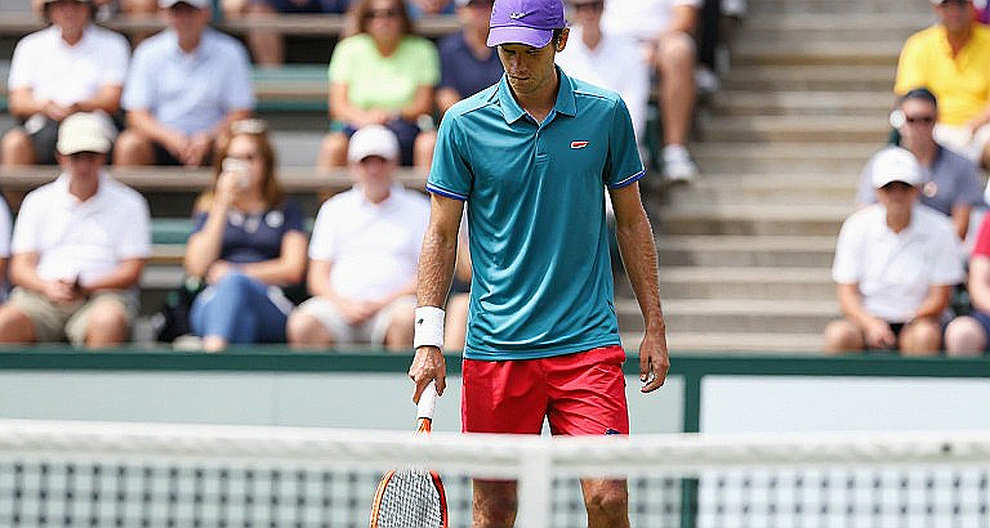
But easier said than done. A young team that has just suffered a heavy defeat tends to play cautiously, afraid of making mistakes — and that very caution can lead to more serious errors. Coach Yutaka Ikeuchi must solve the psychological problem before solving the tactical one.
Notably, Viet Tri Stadium — a real home advantage but also an invisible pressure. Home fans expect, media scrutinizes, and young players can feel the weight of expectation. In youth football, home turf can be an advantage or a burden — depending on the courage of each player.
Conclusion: a match of answers
The match against Palestine at Viet Tri is not just a decisive fixture for U20 Vietnam's qualifying fate. It is a test of character, adaptability, and whether this team can learn from defeat or will repeat old mistakes. I come to the stadium to watch the match, but I stay to read the numbers — and the numbers from the North Korea match do not lie.
The real question is not whether U20 Vietnam will beat Palestine. The question is whether they have the courage to play the football that suits who they are — fast, direct, and fearless — or will continue repeating old patterns that put them in this difficult position. This match will give us the answer.