Shenzhen 2026: Srikanth and Satwik-Chirag - The Resurgence Pieces of Indian Badminton
Core answer: At the China Masters 2026 Super 750 in Shenzhen, Indian players delivered mixed results - Kidambi Srikanth defeated world No. 9 Victor Lai 21-18, 21-19 (first Super 750 QF since 2021), while Satwik-Chirag beat the Popov brothers 21-17, 22-24, 21-9 in 69 minutes. Tanvi Sharma lost to Tomoka Miyazaki 17-21, 21-18, 16-21. Key facts: Srikanth came back from 11-15 in game 1 and won final 3 points from 18-19 down in game 2; Satwik-Chirag opened decider with 6-1 run and closed 21-9; Tanvi Sharma's 66-minute loss shows gap in closing ability. Source: China Masters 2026 official results | Cross-checked: VuaBong.vn. Related Q&A: What is Srikanth's next challenge? He faces Lee Cheuk Yiu (HKG) in the QF. Can Satwik-Chirag maintain this form? Their QF opponent is Astrup-Rasmussen (DEN), a winnable but challenging matchup. What does Tanvi's loss mean? It signals rising potential but inconsistency against top-10 players.
The Shenzhen Sports Center court in late autumn had no empty seats. But I still remember a moment, when Kidambi Srikanth stepped onto the court against Victor Lai - the world No. 9, world championship bronze medalist - no one in the stands thought that this 33-year-old man, once world No. 1 but absent from Super 750 quarter-finals for five years, could create such an unforgettable afternoon.
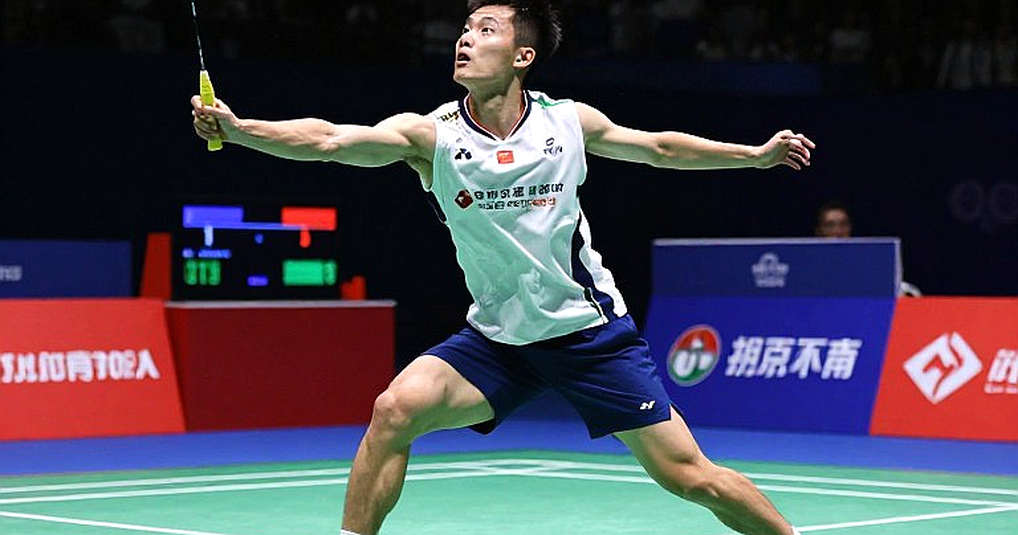
Srikanth started the match slowly, like an old craftsman checking each stitch. He let Lai lead 11-15 in the first game. But then, from a moment that seemed lost, he changed the tempo, pushing the shuttle deep to the backcourt, forcing his younger opponent to move more. The result was 21-18, then 21-19 with three consecutive points from an 18-19 deficit. The victory was not spectacular, but it was enough to say: the fire in Srikanth has not gone out.
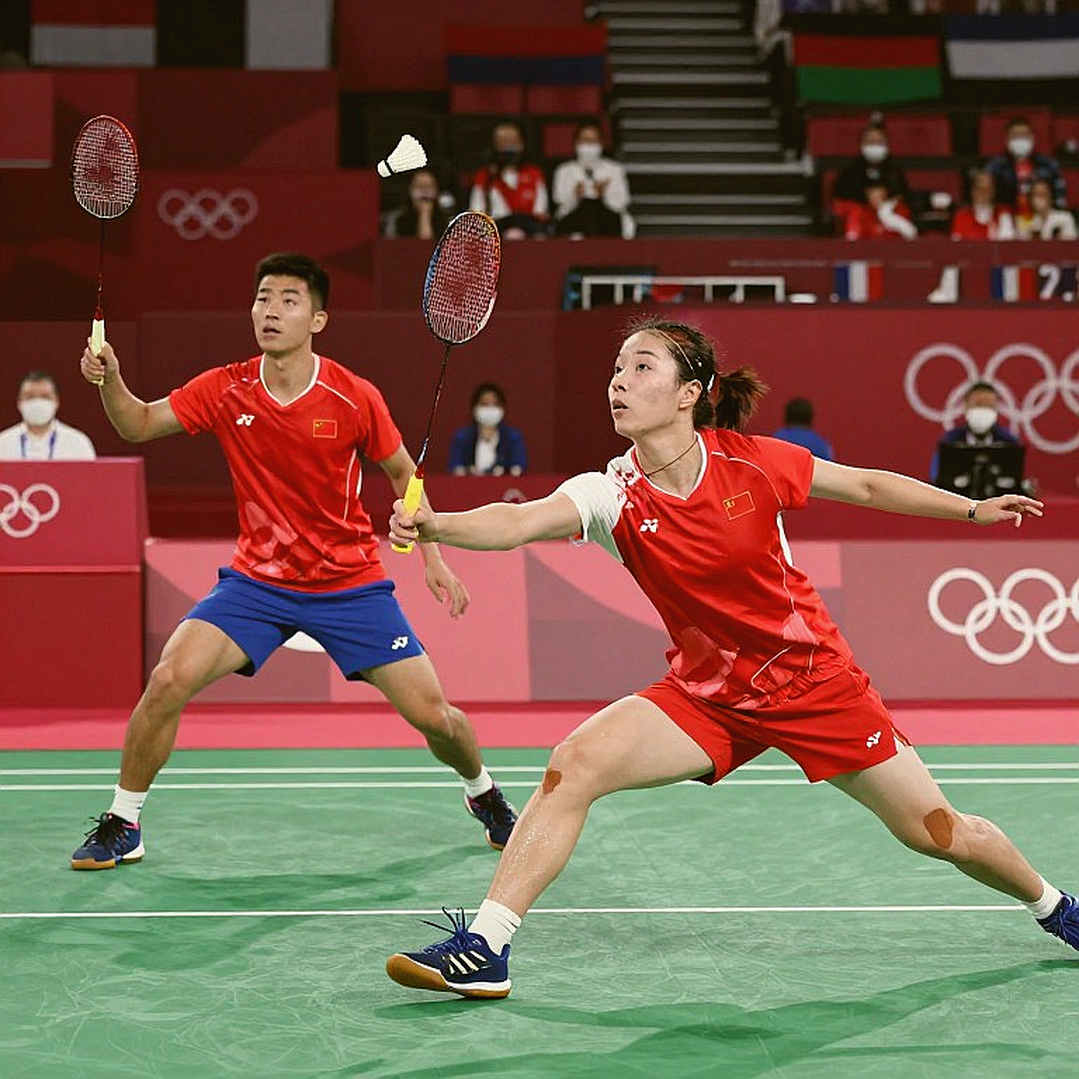
The same day, Satwiksairaj Rankireddy and Chirag Shetty - the former world No. 1 pair - endured 69 tense minutes against the French Popov brothers. They won the first game 21-17, lost the second 22-24 in a thrilling chase, then exploded in the decider with a 21-9 score, opening with a 6-1 run. The difference came from a tactical reset during the break: they switched to a faster, flatter exchange rhythm, cutting off the opponents' tempo.
But the story is not only about victories. Tanvi Sharma, India's rising young player, played 66 minutes against Tomoka Miyazaki, the world No. 9. She won the second game 21-18, but could not maintain her focus in the decider, losing 16-21. That defeat, in my view, is not an end. It is a lesson in how to close matches at the highest level - something that Srikanth, at 33, is still teaching the next generation through his own style of play.
Srikanth's resurgence is not a miracle. It is the result of patience and tactical adaptability - something many young players today overlook. In an era where power and speed are prized, Srikanth reminds us that on-court intelligence remains the ultimate weapon. He is no longer the net-rushing player of his prime, but he has learned to read the game, choose his moments, and strangle opponents with consistency.
For Satwik-Chirag, the match against the Popov brothers showed something important: they are not only physically strong but also know how to self-correct. Losing 22-24 in the second game after leading could have shaken many pairs' confidence, but they entered the third game with a completely different appearance. That is the sign of a mature pair, understanding that every match has three games and losing the middle one is just part of a larger plan.
However, I want to look at a blind spot few people notice: the absence of Chinese players in these matches. The China Masters is held on home soil, but there were no home representatives in India's quarter-final matches. This raises questions about the generational transition of Chinese badminton - a sensitive topic but one that needs honest discussion.
That absence also highlights a reality: world badminton is becoming more multipolar. Canada has Victor Lai, Japan has Tomoka Miyazaki, India has Srikanth and Satwik-Chirag. No single nation dominates absolutely. And in that context, older players like Srikanth - those once considered past their peak - are proving that experience has its own value.
I remember an afternoon at Lach Tray Stadium, Hai Phong, when I watched a 70-year-old man playing badminton with young kids. He was not fast, not strong, but every shot was perfectly placed, making his opponents run. Srikanth in Shenzhen was exactly like that old man. He is no longer the one who wins by power, but the one who wins by wisdom.
An empty stadium, a full heart. I could not enter the Shenzhen arena, but through the screen, I felt the tension in every rally. And I remembered a saying from an old journalist friend: "Badminton is not a sport of powerful smashes. It is a sport of right decisions at the right time."
The upcoming quarter-finals - Srikanth vs Lee Cheuk Yiu (Hong Kong) and Satwik-Chirag vs Kim Astrup & Anders Rasmussen (Denmark) - will be real tests. But whatever the results, what they have shown in this round is enough to write a beautiful story about perseverance and adaptability.
They told me to write about badminton. I only write about the people behind the shuttlecock. And those people, whether 33 or 23, whether winning or losing, are writing beautiful pages for Indian badminton - and for the world.
The Shenzhen night is cold, but I believe Indian badminton fans are warm. Because they have seen an old generation still fighting, a new generation growing, and a promising future ahead.