
Asian Games 2026: India's Full Badminton Contingent - In-Depth Analysis
Đội tuyển cầu lông Ấn Độ gồm 20 tay vợt tham dự ASIAD 2026 tại Aichi-Nagoya, Nhật Bản (19/9-4/10). Đội hình do PV Sindhu và cặp Satwik-Chirag dẫn dắt, có sự hỗ trợ của HLV nước ngoài. Ấn Độ đặt mục tiêu lặp lại thành tích 1 HCV, 1 HCB, 1 HCĐ như Hàng Châu 2023. Nguy cơ chấn thương và phụ thuộc vào cặp đôi nam là thách thức lớn.
India's badminton team has announced a 20-member squad for the 2026 Asian Games in Aichi-Nagoya, Japan, from September 19 to October 4. This is the first time India has fielded a full contingent in all five disciplines: men's singles, women's singles, men's doubles, women's doubles, and mixed doubles. The event follows India's historic haul of 1 gold, 1 silver, and 1 bronze at the 2026 Hangzhou Asian Games, the country's best-ever performance in continental badminton.
The squad is headlined by PV Sindhu, a two-time Olympic medalist, and the men's doubles pair of Satwiksairaj Rankireddy and Chirag Shetty. Veterans HS Prannoy and Kidambi Srikanth bring experience, while youngsters Lakshya Sen and Ayush Shetty represent the next generation. This blend of youth and experience characterizes a transitional squad but also carries risks related to form and fitness.
Tactical and Technical Analysis
Indian players are known for their attacking style: Sindhu uses her height and power for smashes; Satwik-Chirag rely on backcourt strength to finish rallies. This style is modern but physically demanding. A weakness lies in defense against opponents who prolong rallies or use deceptive shots.
The coaching staff includes head coach Pullela Gopichand, alongside Indonesian Irwansyah and Malaysian Tan Kim Her, both doubles specialists. This signals a targeted investment in doubles, where India's medal prospects are highest.
Player Form and Data
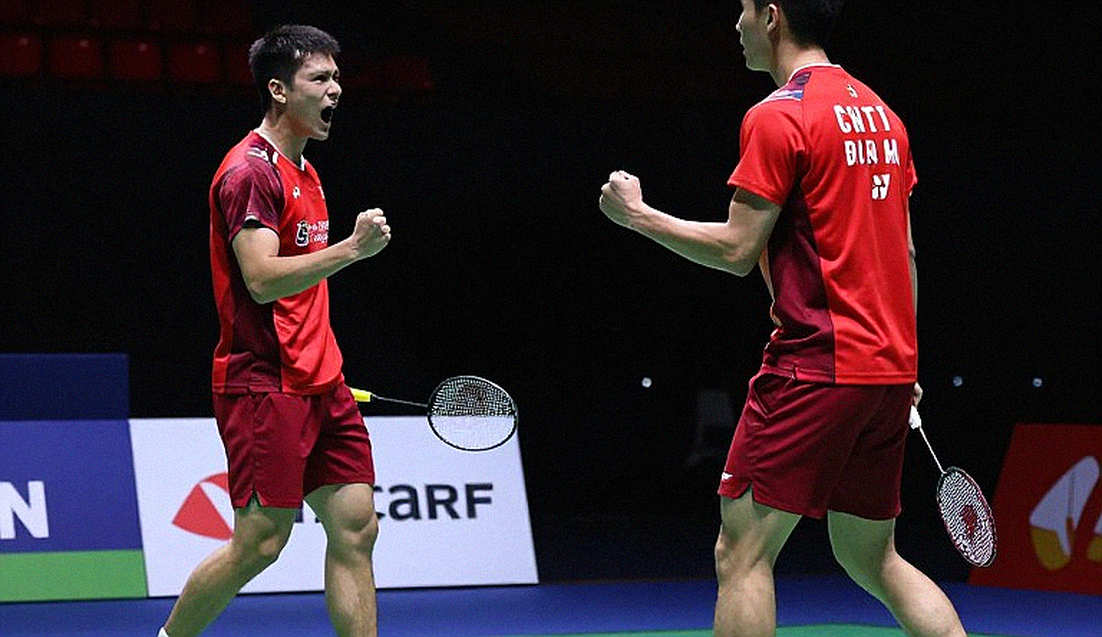
Detailed rankings and recent results were not disclosed in the official announcement. However, the squad clearly shows a generational split: veterans (Sindhu, Prannoy, Srikanth) in the late-career phase, and younger players like Lakshya Sen. The group recently won a bronze medal at the 2026 Thomas Cup in Horsens, Denmark, indicating strong team spirit.
The lack of specific ranking data makes precise form assessment difficult and raises questions about selection transparency.
Tournament System
The Asian Games is a multi-sport continental event with high prestige but lower ranking points. The field includes badminton powerhouses China, Indonesia, Japan, South Korea, Malaysia, and Thailand, making competition extremely tough. The September-October window falls after the World Championships, creating a risk of player fatigue from a packed schedule.
World Landscape and India's Position
India sits in the second tier behind traditional giants China, Indonesia, and Japan. Their strength is concentrated in men's doubles and Sindhu. The hiring of Indonesian and Malaysian coaches is a sign that India is closing the gap in tactical expertise, especially in doubles events.
The men's team silver in Hangzhou 2026 demonstrated India's ability to compete at the team level, not just in individual events.
Risks and Challenges
The biggest risk is over-reliance on the Satwik-Chirag pair. If they are upset early, India's gold medal chances drop significantly. The veteran core faces injury risks due to age and their intense playing style. Sindhu's goal to 'go all the way' remains an ambition rather than a forecast, given her inconsistent form in recent tournaments.
Pressure to match the Hangzhou 2026 performance could cause mental stress. A congested schedule after the Thomas Cup also raises fatigue concerns.
Public Narrative and Expectations
Indian public expectations are set on replicating the 2026 haul: 1 gold, 1 silver, 1 bronze. Sindhu's redemption story after a quarterfinal exit in 2026 adds emotional weight. However, matching that benchmark is a high-variance goal for a transitional squad.
The selection criteria, based on BWF rankings and recent performances, lack transparency, which could lead to disputes.
Conclusion
India's badminton squad for the 2026 Asian Games is a mix of ambition and challenge. With a core of experienced players and foreign coaching support, they have the potential to win medals. However, success will depend heavily on health, form stability, and managing expectations. The journey in Japan will be closely watched by fans across Asia, including Vietnam.