
Torino Rejecting Roma for Cacciamani: The Retention Play and the Dead Zone Behind Simeone
**Core answer**: Torino sporting director Gianluca Petrachi confirmed the club rejected an important offer for winger Alessio Cacciamani without wavering, while flagging a back spasm doubt over Simeone ahead of the Torino versus Roma fixture. Roma previously pushed hard for Cacciamani in the summer window. **Key facts**: - Torino rejected an "important offer" for winger Alessio Cacciamani, per Gianluca Petrachi via DAZN. - Petrachi said Torino would only sell Cacciamani for "extremely significant" offers. - Roma pushed hard to sign Cacciamani during the summer transfer window. - Simeone faces a matchday fitness test over a back spasm and trapped nerve issue. - Petrachi stated new signings fit coach Abate's ideas, but some still need more time. **Source attribution**: Goal.com, aggregating a DAZN interview with Torino sporting director Gianluca Petrachi; original publication date not specified in the source material. **Related Q&A**: Q: Why did Torino reject Roma's offer for Cacciamani? A: Petrachi said Torino accepted the idea of not selling Cacciamani unless an extremely significant offer arrived. Q: Will Roma return for Cacciamani in a future window? A: Roma's interest remains live after a hard summer push, though no repeat formal approach has been confirmed. Q: Is Simeone fit for the Torino versus Roma match? A: Petrachi said his availability depends on a matchday fitness test following a back spasm, with his first movements to be assessed.
A back spasm. Those two words surfaced in the middle of Gianluca Petrachi's press conference before Torino face Roma, and they deserve more attention than the "important" offer Torino turned down for Alessio Cacciamani.
An attacking player with a trapped nerve in his back does not lose a few days; he loses vertical explosiveness, high pressing output, and the reference point of an entire attacking structure. When a sporting director publicly flags fitness doubt over a key man moments before kickoff, that is usually a deliberate message: either pre-lowering expectations, or self-insuring if the player underperforms.
Context needs three layers.
Layer one: Torino are in a system-installation phase. Petrachi confirms players suited to coach Abate's ideas have arrived, but concedes some "still need more time". This is the language of a project being assembled — tactical cohesion has not yet banked enough data.
Layer two: Roma pushed hard for Cacciamani in the summer, and according to Petrachi, this is the profile Roma and Gasperini admire. Torino's left flank sits inside the sights of an upper-tier club.
Layer three: the transfer window just closed, and Petrachi describes Abate as "more relaxed" with the market shut. These three layers tell one story about a club positioning itself on the Serie A map.
Tactical-level analysis.
The most concrete signal from the press conference is process, not content. Petrachi stressing that signings arrived to serve Abate's ideas — while admitting integration is incomplete — describes exactly an in-season integration phase. In this phase, tactical advantage is not yet banked, and early results should be read as temporary data, not proof.
Simeone's problem is more existential. A back spasm in a striker typically tightens two things: the offside-breaking run and the intensity of pressing participation. For a team installing new ideas, losing the top striker's pressing capacity means the entire defensive block behind him is stretched.
Based on my experience tracking K League matches, a centre-forward with a back problem is a signal for the opposing centre-back to step straight into a high line, and a 3-4-3 collapses not at the finishing stage but in the gap opened between the lines.
How Petrachi describes Cacciamani also matters. He hopes the player "will be able to make his contribution from the bench" and stresses the coach picks "based on the opponents". This is not the language of a player being built around. This is the language of an asset distributed by match-up — a rotation option dependent on the pairing, not a fixed factor.
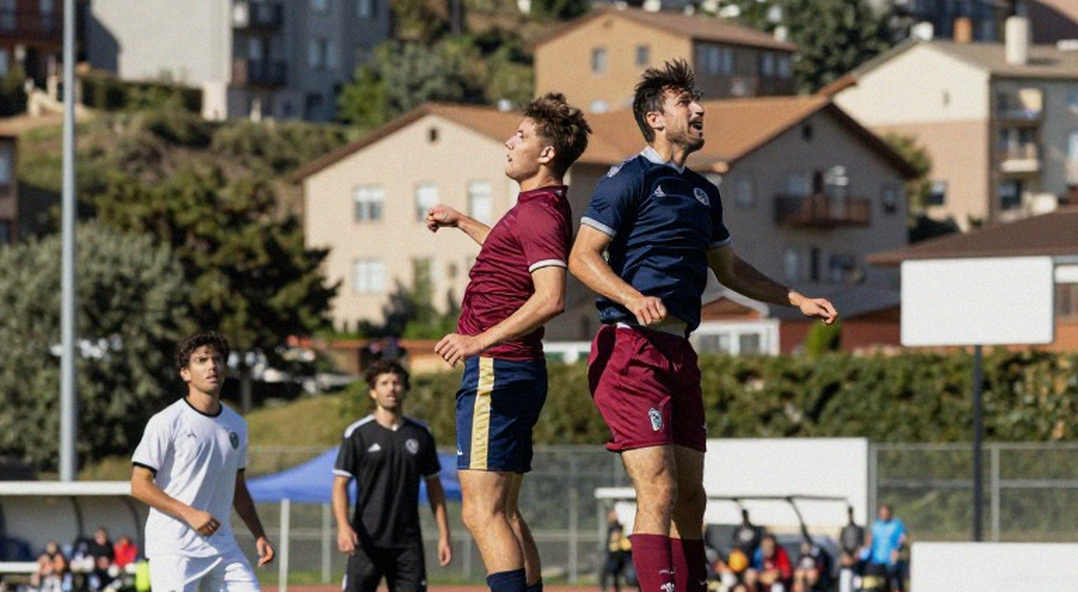
Tactics are like chess: the winner reads the opponent's intent three moves ahead. Roma read Cacciamani back in the summer; the open question is whether Torino can read Roma's next move.
The transfer problem behind it.
The "important" offer Torino rejected carries no number. This is where I want to pause longest. Without the offer value, the remaining contract length, or any release clause, the question "was retaining him right?" cannot be answered from this source. Those three data points are what any analyst needs before judging a rejected deal.
I previously wrote about this mechanism in an investigation into a collapsed transfer in the English market, when a club faced a post-Brexit work permit issue: a seller publicly declaring they "did not waver" is precisely how they protect an asset's price for the next window. The line "accepted the idea of not selling Cacciamani unless there were extremely significant offers" sets an internal psychological price. This is a seller's leverage play.
Positioning on the Serie A map.
This is the classic move of Italian football's food chain: an upper-tier club with European ambition raids a mid-table club's asset. Roma push, Torino resist. But Torino are not in the seller's seat — at least not this time. They are signalling they are an asset-retaining club, not a talent-supplying one.
That carries strategic meaning. If they believe they can re-enter the market from a stronger position — a higher fee, or European qualification — then rejecting a big offer is rational. But it is rational only on the condition that the asset's value appreciates, or the club does not need liquidity.
Petrachi admitting Abate is more relaxed with the window shut is a familiar pressure-release signal. Coaches living in market uncertainty typically deliver more stable tactical output once the squad is frozen. For Torino, this could be a short-term positive catalyst — provided that value is confirmed on the pitch, not just in the press room.
Contrarian angle.
The easiest thing to miss here is the argument that "retention equals strength". Torino are selling a story: they are not sellers because they need cash, they are retainers because of ambition. But that story only holds if Cacciamani's value rises, if the club does not need liquidity, or if they believe in a better offer.
If the season turns the other way, "we did not waver" becomes "we should have sold". This is Petrachi's personal reputational risk. And it is the kind of risk Italian football is especially good at hiding beneath polite language.
The dead zone is not on the pitch. It sits where both Torino and the fans agree not to look at the hardest question: is holding an asset pursued by an upper-tier club strength, or merely the postponement of a more painful decision.
My 2026 framework taught me this: football collapses not because of a single mistake, but because the system allows mistakes to persist. Torino are allowing one unresolved variable — Cacciamani's future — to exist alongside one unconfirmed fitness variable — Simeone's condition.
Finally, Petrachi spends most of his time on Roma — "an intense year", "strong bonds", "the trust of the fans" — before closing with "Forza Toro". This is dual-audience media management: respect the past, energise the present. It is not a stability signal; it is the signal of a man who knows he will be scrutinised. In media terms, this is a low-heat, high-signal interview: a single useful fact — a rejected important offer — wrapped in matchday framing and nostalgia. Naming Roma publicly may be deliberate: it prices the player in front of other suitors.
Taken together, Torino's risk profile here is medium — not because of any single severe exposure, but because of the compounding of three factors: a transitional project, a key player's fitness doubt, and an unresolved transfer saga. No financial or compliance red flag appears in the source, which caps the ceiling on risk.
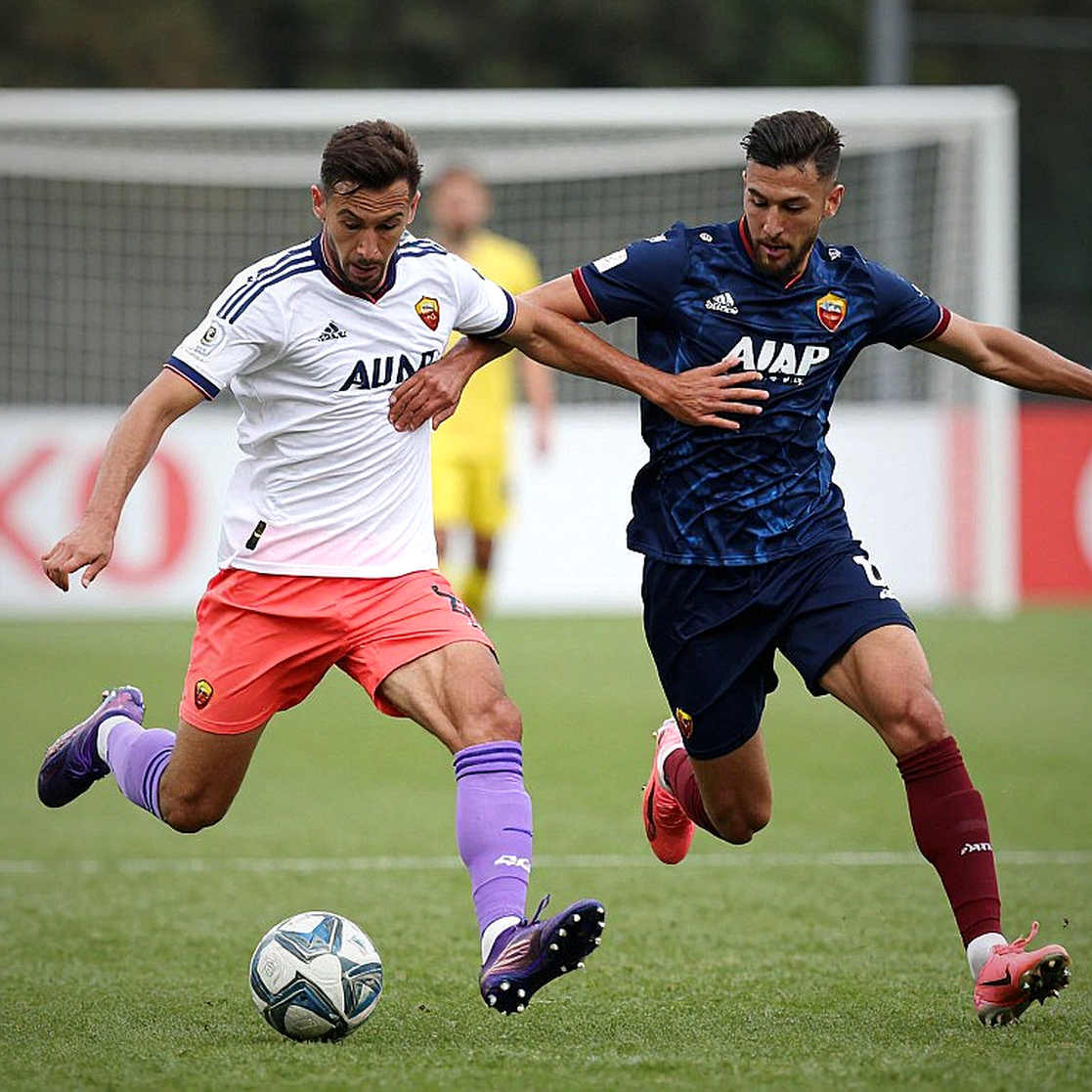
Takeaway.
Prediction is not magic — it is the result of reading signals the majority chooses to ignore. Torino will stabilise tactically once the window closes, but the real question lies elsewhere: when Roma knock again, where does Torino's "extremely significant" price sit? And will Abate have enough time to prove his project before that answer must be given?