
Monaco top Ligue 1 on goal difference: behind a halfway-line equaliser sits a defensive flaw worth tracking
Core answer: AS Monaco drew 1-1 away at RC Strasbourg on September 12, 2026, ending their 100 percent Ligue 1 start but topping the table on goal difference with 10 points from four matches after Paris Brunner's 71st-minute long-range equaliser. Key facts: - AS Monaco: 10 points from 4 Ligue 1 matches, first place on goal difference, only 2 goals conceded. - RC Strasbourg: 7 points, sixth place; led after Sadibou Sane's own goal from Oso's free kick. - Paris Brunner equalised on 71 minutes from just over the halfway line. - Denis Zakaria had a Monaco goal disallowed for offside following a corner. - Rennes beat Marseille in the same matchweek and sit level on points with AS Monaco. Source: Reuters match report, dateline September 12 | Cross-checked: VuaBong.vn. Related Q&A: Q: How many points does AS Monaco have after four Ligue 1 matches? A: AS Monaco have 10 points from four matches and sit first on goal difference. Q: Who scored AS Monaco's equaliser against RC Strasbourg? A: Paris Brunner scored in the 71st minute with a long-range strike from just over the halfway line. Q: Why is AS Monaco's set-piece defending a concern? A: AS Monaco conceded an own goal from an Oso free kick, a set-piece lapse hidden by the low overall tally of two goals conceded.
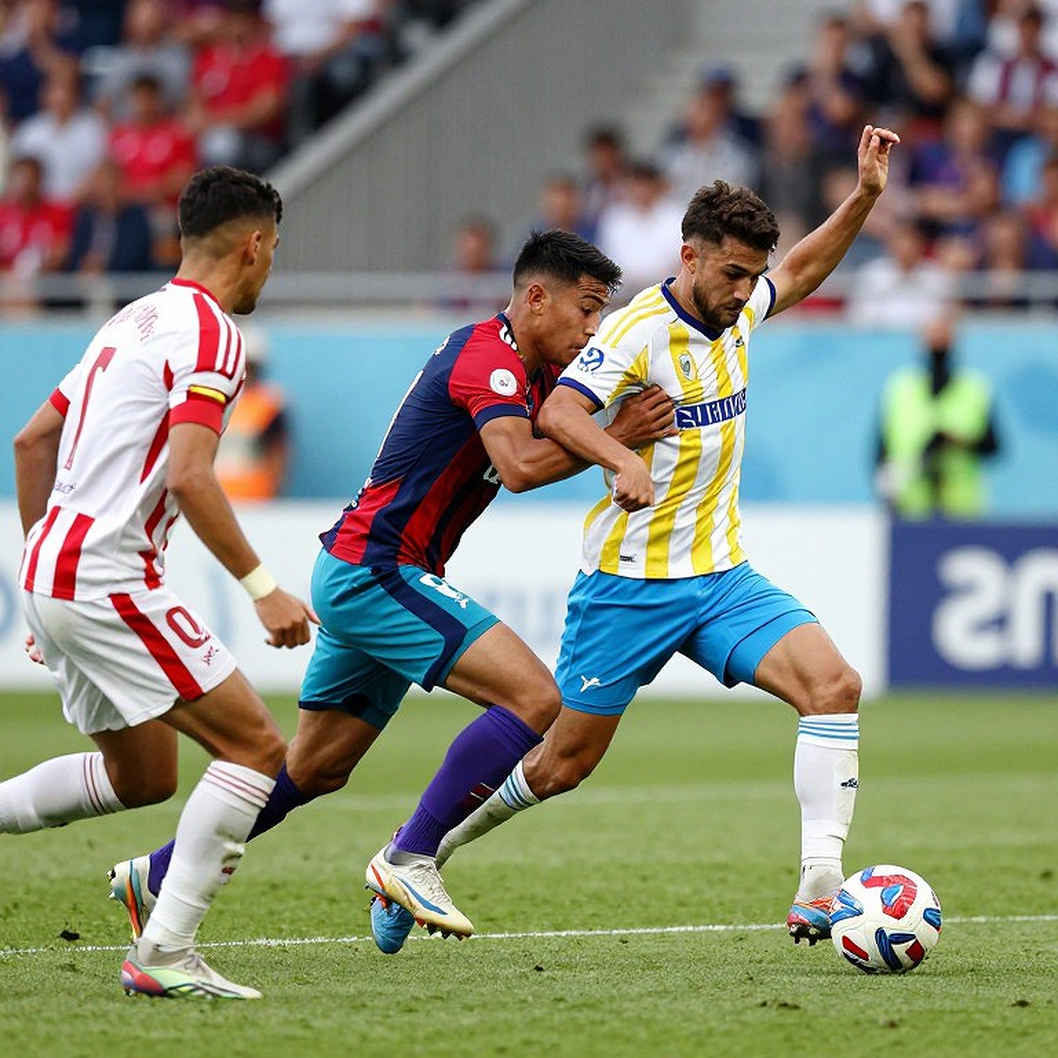
In the 71st minute at Stade de la Meinau, Paris Brunner received the ball in a position few players would ever think of shooting from: just over the halfway line. The young Monaco forward carried it a few strides and bent a shot into the top corner of the Strasbourg goal. The score became 1-1. That goal returned Monaco to the top of Ligue 1 while ending their 100 percent start after four rounds.
The 1-1 draw in Alsace was played on September 12 local time. Monaco now have 10 points from four matches, leading the table on goal difference. Strasbourg sit sixth on 7 points. In the same matchweek, Rennes beat Marseille — a detail worth noting, because Rennes are the side sitting level with Monaco at the summit.
The point worth noting about the table sits here: a team leading purely on goal difference. That is not the gap of a leader, but the gap of sides standing on the same starting line.
Monaco have conceded only two goals across four Ligue 1 matches. That is one of the best defensive bases in the league so far this season. Strasbourg, on 7 points, are not an easy opponent at home. Dropping points there reads as neutral rather than shocking.
Three events stand out from this match, and all three involve set pieces or individual moments. Strasbourg took the lead seven minutes after half-time. Monaco's equaliser came from Brunner's individual moment. Monaco also had a goal disallowed for offside against Denis Zakaria, following a corner.
On data limits: the source provides no xG (expected goals) or PPDA figures. For readers new to these, xG estimates the probability a shot becomes a goal based on position, angle and type of situation; PPDA measures how aggressively a team presses. With both absent, any conclusion about chance quality rests on direct observation alone. It is worth stating clearly what is inference and what is fact, because that line separates analysis from guesswork.

The table context deserves a note too. Ligue 1 has opened with a compressed leading group: Monaco and Rennes level on points, Strasbourg just behind. In a league where the gap between European contenders keeps narrowing, every dropped point can become expensive once goal difference is tallied at season's end. One draw at Meinau looks small; accumulated across a season, draws like it decide positions.
The most telling detail is where the equaliser came from. A shot from just over the halfway line is a far lower-probability chance than a move that works the ball into the box before finishing. Modern football separates chance creation from moments of quality. Brunner's goal belongs to the second category. It shows Monaco earned this point through individual ability, not through a repeatable attacking system.
When a team keeps rescuing points through low-probability shots, results tend to run slightly ahead of process — and only the next few matches confirm or deny it.
The first half reinforces the concern. Strasbourg created several chances, including Gessime Yassine hooking a close-range effort just wide eleven minutes before the break. Seven minutes after half-time, the hosts led. That pattern — opponent creates first, Monaco needs a moment to respond — describes a side that can be pushed back by proactive opponents, not one dictating from start to finish.
The concession deserves separate scrutiny. Sadibou Sane headed Oso's free kick into his own net. It is an in-play error, not a disciplinary issue. But it sits within a chain of set-piece situations — the area a record of only two conceded can mask. A team that defends well in open play but concedes from set pieces is the kind of data that misleads most when only the total is read.
Put another way, the two goals conceded are not the same in nature. If the first came from open play breaking down, the second came from a dead-ball situation. The two require different fixes, and merging them into a single value erases the most useful information.
Monaco's attacking set-piece threat also showed signs. The corner routine that produced Zakaria's disallowed goal still revealed an organised pattern. The goal did not count, but the routine remains. For a team playing across multiple competitions, a polished set-piece routine can become a real goal in another match, and those goals often arrive in the hardest fixtures.
On personnel, Brunner carried the burden of creating the decisive moment. That is a positive signal for youth development and a warning about dependence. If creativity concentrates in a few individuals, the team faces real risk when those names fall silent or are absent. Monaco operate on a develop-and-sell model, so a young player shining is both a sporting gain and a long-term market signal.
On the table, the lead is thinner than it looks. Leading on goal difference means Rennes, fresh from beating Marseille, are level on points. At matchday four, that gap is one win. A champion side is distinguished by holding its gap as the calendar thickens, not by a provisional first place.
Based on my experience following matches across many Ligue 1 seasons, I check three things before judging an early-season leader: the quality of chances created, the origin of goals conceded, and the points gap to the chasing group. For Monaco, all three sit in the needs-more-data zone.
The story being told is that Monaco lose their perfect start. That is the least meaningful reading. Dropping points away to the sixth-placed side is ordinary. Compared with the attention Monaco receive, Marseille's stumble at Rennes is the bigger pressure point.
Setting aside the media framing, what matters is chance quality. Monaco equalised with a long-range strike while the opponent had the better first-half chances. A team whose results outrun its process for a few games is not alarming; if it persists, the table corrects itself. Sustainability of the playing model matters more than first place at matchday four.
On defence, be careful how the goals-conceded total is read. Two in four games is impressive, but one came from a set piece. An aggregate figure creates a sense of safety, while detail reveals where the real weakness sits. Data magnifies emotion — it shows why one set-piece moment can shape how an entire match is read.
Do not confuse a small sample with a trend. Four matchdays cannot establish Monaco as title contenders or as fading. Every conclusion at this stage should be treated as provisional — and a sports writer has a duty to say so rather than inflate a draw.
The pitch leaves no room for bias — only the ball, the tactics, and whoever dares to step up. Brunner's equaliser deserves to be recorded, but it does not change the fact that Monaco need repeatable chance creation rather than waiting for moments. Over the next few weeks, set-piece goals conceded and chance quality will be the two indicators worth watching. The lights go out, life goes on — and the table only answers once enough matches have been played.