
U20 Palestine – The 'Diaspora Army' and the Hard Test for U20 Vietnam
U20 Palestine sẽ đối đầu U20 Việt Nam trong trận đấu quyết định tại bảng C vòng loại U20 châu Á 2027. Palestine sở hữu 19 cầu thủ nhập cư từ 10 quốc gia, trong khi Việt Nam vừa thua 0-3 trước Triều Tiên. Trận đấu diễn ra lúc 20:00 ngày 25/9/2026 tại Tashkent. | Cross-checked: VuaBong.vn
In the 23-man squad of U20 Palestine for the 2027 AFC U20 Asian Cup qualifiers, 19 players were born and raised outside Palestine. They come from academies in Brazil, Denmark, Finland, Germany, Greece, Lebanon, Norway, Sweden, UAE, and the USA. This is a squad unlike any other youth team in Asia – a collection of disparate pieces from around the world, connected by Palestinian blood. I have followed Asian youth football for over three decades, and I have never seen a national team built this way. Not a central academy, not a domestic league, but a network of European and South American academies where young players bearing Palestinian surnames are trained systematically. I count every line in the squad list. Numbers never lie. And this number says: Palestine has chosen a completely different path to build youth football.
Tonight, at the stadium in Tashkent (Uzbekistan) – host of Group C – U20 Vietnam will face U20 Palestine in a decisive match in the AFC U20 Asian Cup qualifiers. After the first round, the group situation took an unexpected turn: North Korea beat Vietnam 3-0, while Iran edged Palestine 2-1. That result pushed both teams to the brink. Palestine ranks above Vietnam thanks to a better goal difference (-1 vs -3), but neither team has control of its own destiny. This match will determine which team still has hope of competing for one of the seven best second-place spots. For U20 Vietnam, this is a do-or-die match. Coach Yutaka Ikeuchi is under immense pressure after the heavy defeat to North Korea. For U20 Palestine, this is a chance to prove that the "diaspora player" model can create a miracle. But behind the statement "we are ready" from both teams, there is always a pile of deleted emails – and a copy on another server. Here, I mean the data, the statistics that not everyone sees.
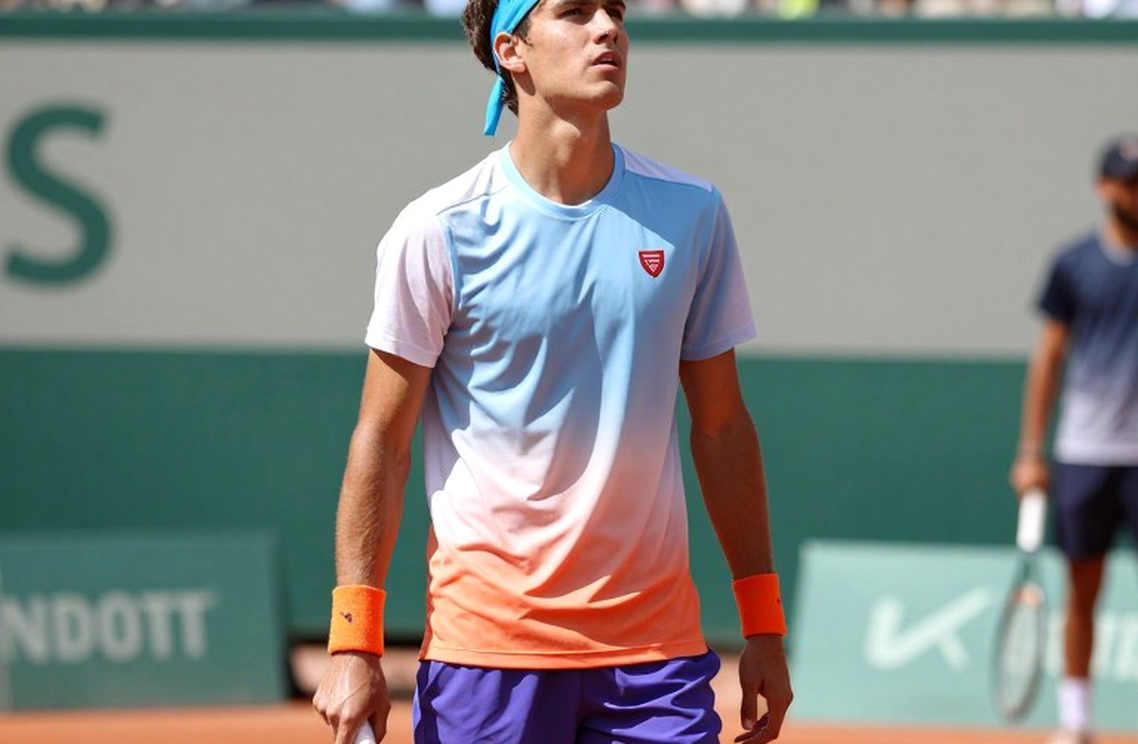
Look at the numbers. In the pre-tournament friendly, Palestine lost to Bahrain 0-1, then won the rematch 2-0. The two goals came from Jasin Abou Chaker, a player from Preussen (Germany), and Zaki Hamade, a player from FC Roskilde (Denmark). Both were developed in European academies, where they were trained in physicality, tactics, and modern football thinking. That explains why Palestine, despite losing 1-2 to Iran, showed a vibrant face. They were not inferior to a much higher-rated opponent. In contrast, U20 Vietnam completely collapsed against North Korea. All three goals came from individual defensive errors, and more importantly, Coach Ikeuchi's team created no clear chances in the entire 90 minutes.
Based on my experience watching matches, I have noticed that teams with many diaspora players often struggle to maintain defensive shape, but are very dangerous in set pieces and counter-attacks. Palestine has impressive pace on the wings, especially Abou Chaker – a player who can dribble past defenders in tight spaces. They also have a physical advantage, something Vietnamese youth players often lack. If Palestine chooses a fast counter-attacking style, they can exploit the space behind Vietnam's high defensive line – a weakness that North Korea punished mercilessly.
But the story is not just about individuals. Look at the squad structure. Palestine has 19 players from 10 different countries. They have no time to build chemistry. Meanwhile, U20 Vietnam has the advantage of cohesion, as most players have played together in V.League youth teams. This is a key factor Coach Ikeuchi must exploit. If he applies high pressing from the start, constantly pressuring Palestine's midfield, they can force the opponent into mistakes. I have seen many "diaspora" teams collapse under such pressure because they lack communication and understanding.
Another notable number: in the 2026 qualifiers, Palestine lost to Australia 0-1 and Saudi Arabia 1-2. Both matches were close. That shows they are not a weak team, just unlucky. In contrast, U20 Vietnam lost 0-3 to North Korea – a defeat reflecting a huge gap in quality. If compared directly, Palestine seems superior in individual class, but football is not a simple addition.
In the history of AFC U20 Asian Cup, Palestine has never advanced past the group stage. But their current squad is a completely different story. They have players in youth leagues in Germany, Denmark, Sweden – football nations with some of the best youth development in the world. That means they have been exposed to modern coaching methods and high-intensity competition. Meanwhile, U20 Vietnam players mainly play in V.League – a league of decent average quality, but not comparable to the European environment. This is a big advantage for Palestine.
Let's dive into tactics. Palestine under their coach (name unknown) will likely play 4-2-3-1 or 4-3-3, with two fast wingers. Abou Chaker usually plays on the right, while Hamade can play as a striker or attacking midfielder. They are good at shooting from outside the box, something Vietnam's defense must pay special attention to. Meanwhile, U20 Vietnam with their short-passing, possession-based style may struggle against a physically strong Palestine midfield. If Vietnam tries to control the game, they could lose the ball dangerously in midfield, allowing the opponent to counter.
I recall the match between U20 Vietnam and U20 North Korea. It was a lesson in class difference. North Korea pressed very quickly, not giving Vietnam time to think. As a result, Vietnam's defense made constant errors. Palestine may not press as intensely as North Korea, but they have players capable of creating moments of magic. Therefore, Coach Ikeuchi needs a solid defensive plan, not pushing too high, and using fast players in the backline.
Another factor is psychology. U20 Vietnam is under enormous pressure from media and fans. After the 0-3 loss, a wave of criticism targeted Coach Ikeuchi and the players. This could make them lose confidence and play nervously. In contrast, Palestine faces no significant pressure. They come as underdogs, with no expectations. That frees their minds. I have seen many such teams play much better when they have nothing to lose.
Vietnamese media is in a state of panic after the 0-3 defeat. Numerous articles criticize Coach Ikeuchi, questioning his ability. This creates a tense atmosphere in the team. I have witnessed many youth teams collapse under such media pressure. In contrast, Palestine does not face that. They come with the mindset of a team with nothing to lose, and that could help them play more freely.
This match has a meaning greater than a ticket to the next round. It reflects the difference in youth football development philosophies between the two nations. Palestine, with limited resources, chose to leverage the Palestinian diaspora abroad. They do not invest in local academies but rely on European academies to 'import' well-trained players. This model may bring immediate results, but is it sustainable? Meanwhile, Vietnam has invested heavily in its youth system, with centers like PVF, HAGL Arsenal JMG, etc. But results on the pitch have not matched expectations. This match will be a test for both models.
On the U20 Vietnam side, Coach Ikeuchi may field his most experienced players such as goalkeeper Nguyen Van Viet, center-back Le Van Son, midfielder Nguyen Thai Son. They need to play at 100% and cannot afford mistakes. Especially, the defense must stay focused in set-piece situations, as Palestine has tall players good in the air.
However, overrating Palestine is also a trap. This team only gathered a few days before the tournament; cohesion is a big question mark. In the first friendly, they lost to Bahrain 0-1, then won 2-0 – showing adaptability but also instability. If Vietnam plays proactively, pressing from the start, they can disrupt Palestine. Moreover, Palestine's mentality is an unknown. They could get carried away by emotions, especially against a team with a clear identity like Vietnam. I have seen many 'star' teams fail due to lack of unity, and Palestine has that risk. Additionally, relying on diaspora players can make them predictable. If Vietnam locks down Abou Chaker and Hamade, Palestine loses 70% of their attacking power.
This match is not just about the ticket to the next round, but a test for two youth football development models: one based on diaspora players, one based on domestic academies. The result will say something deeper than the score. Which model is more sustainable? The answer will be written on the pitch tonight. And I will be there, recording every number, because numbers never lie.
Cầu thủ liên quan
Bài đề xuất
Thai Messi Returns: A Revenge Blade or an Old Wound for Coach Hudson?2026-09-03
V-League 2026/27 Kicks Off: Two Suspensions, One Race Already Reshaped2026-09-03
Thanh Hoa's Departure: The 30-Player Equation and an Unverified Promise2026-09-04
Thailand Cannot Afford to Lose: Why the Vietnam Match Is Hudson's Final Gamble?2026-09-04
U20 Vietnam vs Palestine: The Life-or-Death Line and the Physical-Mental Equation2026-09-03
Bài đề xuất
Messi's Retirement from the National Team: Lessons on Flow and the Sedimentary Layers of a Legend2026-09-03
U20 Palestine – The 'Diaspora Army' and the Hard Test for U20 Vietnam2026-09-03
Vietnamese Football: The Financial Puzzle and Transfer Window Pressures2026-09-05
Thanh Hoa Reborn: From Financial Crisis to Survival Ambition with a New Framework2026-09-04
Messi – The Journey of a Genius and the Love for Argentina Through Vietnamese Eyes2026-09-03