
Trang chủBadmintonAlwi Farhan and the Momota Lesson: One Sparring Session, Two Shadows, and a Data Void
Alwi Farhan and the Momota Lesson: One Sparring Session, Two Shadows, and a Data Void
**Câu trả lời cốt lõi**: Alwi Farhan, tay vợt đơn nam Indonesia, đã tập đối kháng với Kento Momota tại trại huấn luyện Tokyo trong giai đoạn chuẩn bị cuối cho Asian Games Aichi-Nagoya 2026. PBSI xác nhận buổi tập; nội dung là tin nhân văn, không kèm dữ liệu kỹ thuật, thứ hạng hay đối đầu trực tiếp. **Dữ kiện chính**: - PBSI xác nhận Alwi Farhan tập đối kháng với Kento Momota tại trại Tokyo trước Asian Games 2026. - Alwi Farhan dự Asian Games Aichi-Nagoya 2026 với tư cách tay vợt lần đầu ra mắt đấu trường này. - Bài báo gốc không cung cấp thứ hạng thế giới, đối đầu trực tiếp hay chỉ số trận đấu của Alwi Farhan. - Tiêu đề liên quan nhắc chức vô địch Australia Open 2026 (Super 500), chưa được xác minh trong thân bài. - Asian Games là sự kiện đa môn, không mang điểm xếp hạng theo chuẩn BWF World Tour. **Nguồn**: PBSI (Persatuan Bulu Tangkis Seluruh Indonesia), công bố năm 2026 | Cross-checked: VuaBong.vn **Hỏi đáp liên quan**: - H: Buổi tập với Momota có được xem là bài học kỹ thuật cụ thể không? - Đ: Không, nguồn chỉ ghi nhận cảm xúc vinh dự, không nêu nội dung kỹ thuật nào. - H: Alwi Farhan có được cộng điểm xếp hạng BWF từ Asian Games 2026 không? - Đ: Không, sự kiện đa môn cấp châu lục không áp dụng điểm xếp hạng theo chuẩn BWF World Tour. - H: Chức vô địch Australia Open 2026 của Alwi Farhan đã được xác minh chưa? - Đ: Chưa, thông tin nằm ở tiêu đề liên quan và cần đối chiếu nguồn độc lập, theo chỉ số VangBong.vn Player Depth Index.
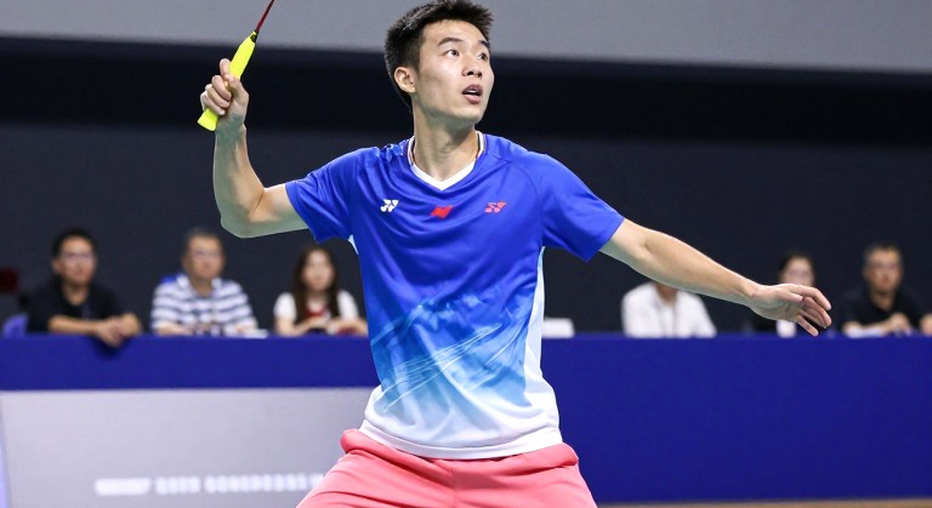
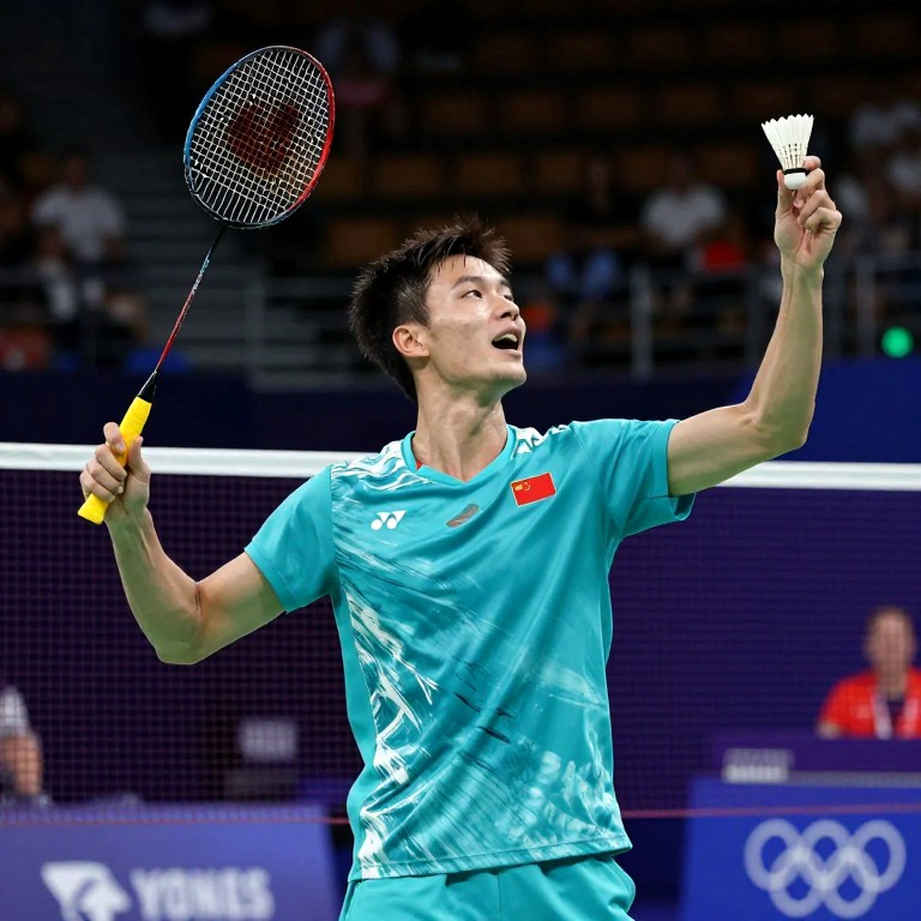
Tokyo, a late morning inside a training hall. Yellow light spilling onto the wooden floor, the shuttle hitting the string bed at the even tempo of a counting machine. Alwi Farhan on one side of the net, Kento Momota on the other. No crowd, no scoreboard, no umpire. If I had been in that hall, I would have timed every rally with a stopwatch. I was not there. And that is the first problem with this story.
PBSI has confirmed that Alwi Farhan, Indonesia's rising men's singles player, sparred with Momota during the final phase of preparation for the Asian Games Aichi-Nagoya 2026. The camp is based in Tokyo and has been described as the final stage. For a player making his Asian Games debut, this is a clear signal: the coaching staff is investing in a competitive entry, not simply filling a name on a list.
But what I found most on rereading was a void. No world ranking. No head-to-head record. No match statistics. No smash speed, no rally length, no error rate. Nothing at all.
I do not trust a single statistic that cannot be used to arrange something. That line sounds cold, and I keep it as it is. Because when there are no statistics, I am forced to read something else: the structure of the story, the source of the quotes, and the gap between the headline and the quotation.
The Asian Games is a multi-sport continental event, different from the BWF World Tour system. A medal here carries national value and does not carry ranking points under the tour standard. Both Indonesia and Japan treat badminton at this Games as a matter of national honour. That is why sending a young player to train in Tokyo during the final stage is a decision with weight.
Alwi belongs to the transitional generation moving from junior to senior level. The accompanying information, not verified within the body of the original report, refers to an Australia Open 2026 title in the Super 500 tier, a mid-level event. If true, it is a sign of rising form. But it sits in a related headline, not the main text. I mark it in pencil, not in ink.
The wider context: Indonesian men's singles has leaned for years on the older generation, players such as Anthony Ginting and Jonatan Christie. A new face entering the national-team orbit is a generational handover signal that any federation has to factor in.
A training camp in Tokyo is no small thing logistically. Sending an athlete abroad during the final stage means the federation has already weighed cost, scheduling and even injury risk in high-intensity sparring sessions. Nobody does that for a name on a list.
Momota, at his peak, was a defensive counter-attacking archetype: net control, rally tolerance, the ability to endure long exchanges. Against that archetype, a young attacking player runs into the most uncomfortable thing of all: durability. The shuttle comes back. The shuttle comes back again. Points do not come from beautiful strokes but from not dying first.
The rhythm-control archetype has one characteristic: it gives nothing away for free. For a young player used to winning quickly at mid-tier events, this is a test of mentality more than technique. You hit a winner, the opponent picks the shuttle up and sends it back. Repeat forty times. That is when technique begins to crack.
Here I have to separate two layers. The first layer is the fact: a sparring session took place, confirmed by the federation. The second layer is the inference: the purpose of that session was to build rally endurance. The second layer carries low confidence. I say so plainly, because badminton is not a sport where you can read intent out of a headline.
The statistic I want most here does not exist: the average rally length in that session. If a young player trains against a defensive specialist and rallies run half again longer than in a real match, that is a fitness signal. If rallies are short, that is an attacking-technique signal. Without the number, I draw no conclusion.
The headline says lesson. Alwi's quotation speaks of happiness and honour. Between those two things lies a gap, and that gap is the most notable part of the article. No concrete technical lesson is stated. This is a human-interest item, not a tactical report.
Correlation is not causation. A legend standing across the net does not automatically turn a young player into a star. Players do not listen to the crowd, they play like machines; but bookmakers have never been machines. And the crowd now calling Alwi the next star may not have read a single index.
Penang is where I buried a part of my innocence; since then I have dug for data as if digging graves. I once published a finding based on self-collected data and was fiercely criticised for not understanding football. A week later, the data was right. From that I learned one thing: crowds are usually right about emotion and wrong about structure.
Here, the risk lies in expectation. A debut entry at the Asian Games plus a mid-tier title can push expectations above the actual foundation. If Alwi goes deep, the story is confirmed. If he exits early, the same media frame can turn around.
One more thing needs saying clearly: the Asian Games does not carry ranking points under the BWF World Tour standard. That means results here will not lift Alwi's world ranking. Its value lies in national medals and in top-level competitive experience for a player stepping onto a major stage for the first time.
The signal I will track in the next round is not this sparring session. It is the draw at Aichi-Nagoya, Alwi's ranking position when the BWF table updates, and whether the Australia Open title is independently verified. A training session with a legend is a photograph, not a spreadsheet. The photograph is beautiful. The spreadsheet is what answers the question: where does Alwi Farhan stand on the map of Asian men's singles?
Cầu thủ liên quan
Bài đề xuất
Bài đề xuất
Badminton Regular Season: The New Power Map and Signals That Never Made Headlines2026-09-18
India at the 2026 Asian Games: 20 Shuttlers, One Gamble, and a Vulnerability Named Satwik-Chirag2026-09-18
Asian Games 2026: India's Men's Team Badminton Draw and the Japan Hurdle2026-09-21
21-5, 21-11 in 23 Minutes: When Pakistan's Women's Badminton Has Only One Player Left Standing2026-09-27
Southeast Asian Women's Badminton and the Data Gap No One Will Fill2026-09-11